Rafael Friedrich · 22 October 2026
Researchers Team Up with Local Creatives to Illuminate Marova River Biodiversity in Multimedia Displays
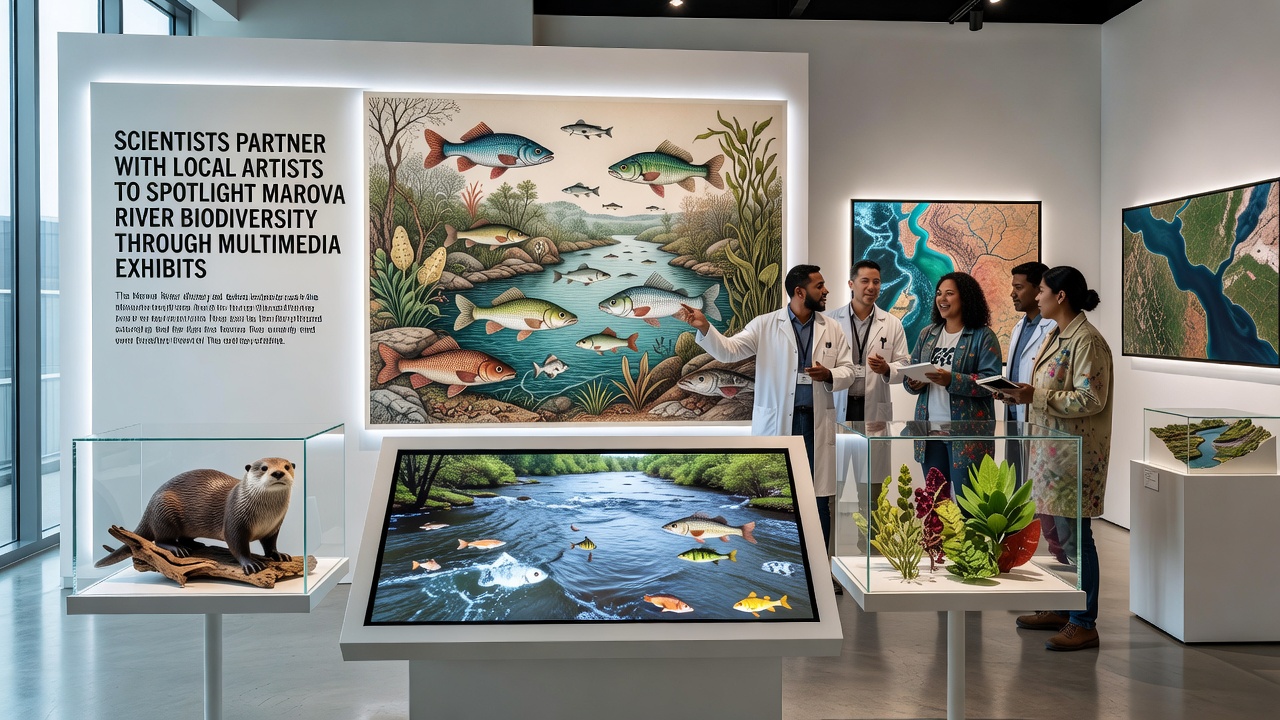
Scientists from regional research institutions have joined forces with artists based in the Marova area to develop a series of multimedia exhibits that focus on the biodiversity of the Marova River, and these installations combine field data with visual and audio elements to present findings from ongoing ecological surveys. The partnership began after initial data collection efforts revealed shifts in species populations along the river corridor, prompting researchers to seek new methods for sharing results beyond traditional reports.
Project Origins and Data Collection Efforts
Survey teams documented more than 180 species of flora and fauna during seasonal assessments conducted between 2023 and 2025, while water quality measurements indicated stable pH levels yet noted variations in sediment composition near industrial zones upstream. Artists received access to these datasets along with audio recordings of bird calls and underwater sounds, which they then incorporated into interactive video projections and soundscapes installed at community venues. One installation uses motion sensors to trigger sequences that display fish migration patterns synchronized with live sensor readings from monitoring stations along the riverbanks.
Multimedia Techniques and Exhibit Components
Digital mapping tools overlay historical river course changes onto current habitat maps, allowing visitors to compare conditions from the 1980s with present-day observations. Sculptural elements constructed from reclaimed river materials sit alongside screens that cycle through time-lapse footage of plant growth cycles recorded by camera traps. Sound designers layered field recordings of insect activity with synthesized tones derived from chemical analysis readings, creating immersive environments that run continuously during public hours.
Exhibits also feature printed panels that list species counts by category, including amphibians, riparian plants, and macroinvertebrates, while QR codes link viewers to raw datasets hosted on institutional servers. The approach draws from similar initiatives documented in reports by the Australian Department of Climate Change, Energy, the Environment and Water, where multimedia formats increased public engagement metrics by measurable margins in comparable river systems.
Community Involvement and October 2026 Timeline
Local schools have scheduled field trips to preview sessions ahead of the full public rollout planned for October 2026, when additional modules covering nocturnal species activity will be added. Workshops led by participating artists teach basic data visualization techniques to students, who then contribute their own sketches of observed wildlife to rotating displays. These sessions occur monthly and draw on protocols established by Environment and Climate Change Canada in their citizen science biodiversity programs, which emphasize consistent observation standards across volunteer groups.
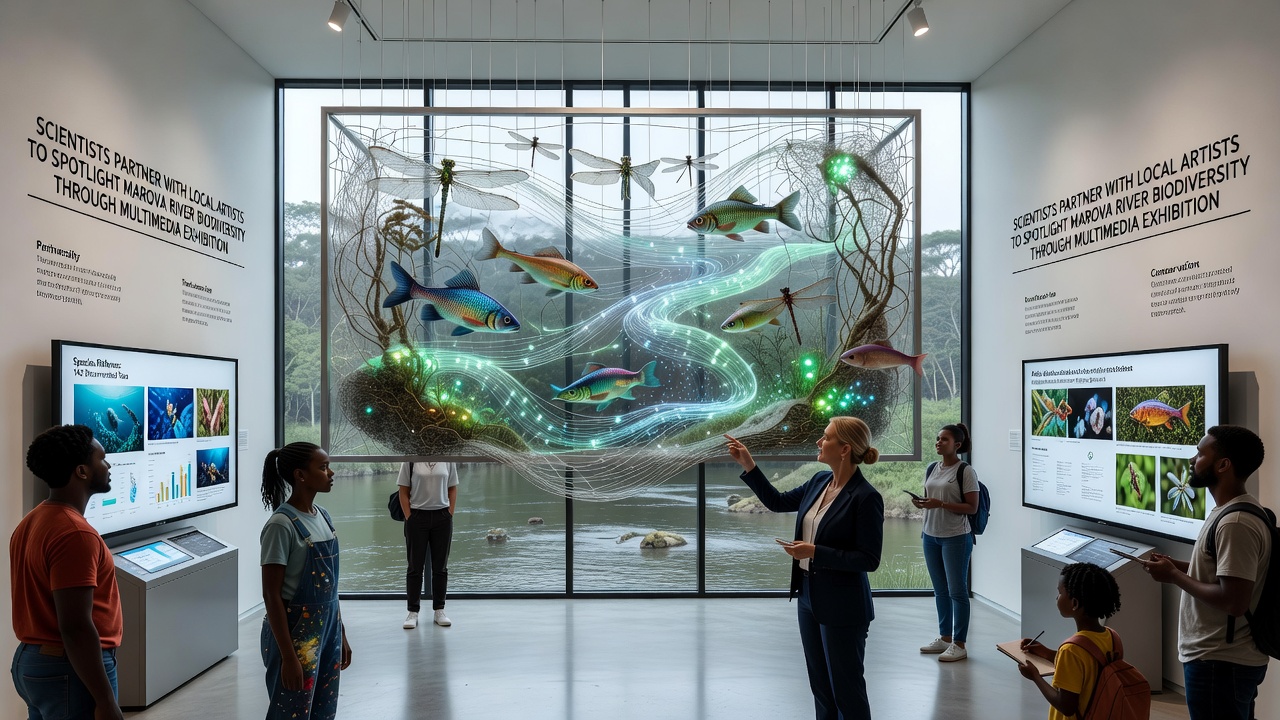
Attendance records from early test displays show steady increases in repeat visits, with many participants returning to track updates in the live data feeds. Project coordinators note that the integration of artistic interpretation has extended the reach of the scientific findings to audiences outside traditional academic circles, including tourism operators who now reference the exhibits in guided river tours.
Technical Integration and Future Modules
Software platforms developed for the project allow real-time updates from river sensors to feed directly into exhibit visuals, so changes in dissolved oxygen levels appear as shifting color gradients on projection surfaces. Researchers continue to collect samples for genetic sequencing of microbial communities, with plans to incorporate those results into future modules scheduled after the October 2026 launch. The collaborative model mirrors approaches outlined in studies from the European Environment Agency, where cross-disciplinary teams produced similar public-facing biodiversity resources for river basins in multiple member states.
Funding for equipment and installation costs came through a combination of institutional grants and local cultural allocations, while volunteer crews handle ongoing maintenance of the physical components. Data validation remains the responsibility of the scientific partners, who review all exhibit content for accuracy before public release. Observers have recorded increased inquiries at nearby information centers about river access points and conservation guidelines since the initial displays opened.
Conclusion
The Marova River project continues to expand its scope through additional data streams and artistic contributions, with the October 2026 phase introducing new layers focused on seasonal variations. Coordination between the research teams and creative partners remains active, supported by regular review meetings that assess both scientific accuracy and exhibit functionality. This ongoing effort provides a documented case of how combined expertise from separate fields can present ecological information in formats accessible to broader audiences while maintaining fidelity to collected evidence.