Wendy Hayes · 24 September 2026
Threading History into Modern Design: Marova Artisans Shape Emerging Fashion Talent
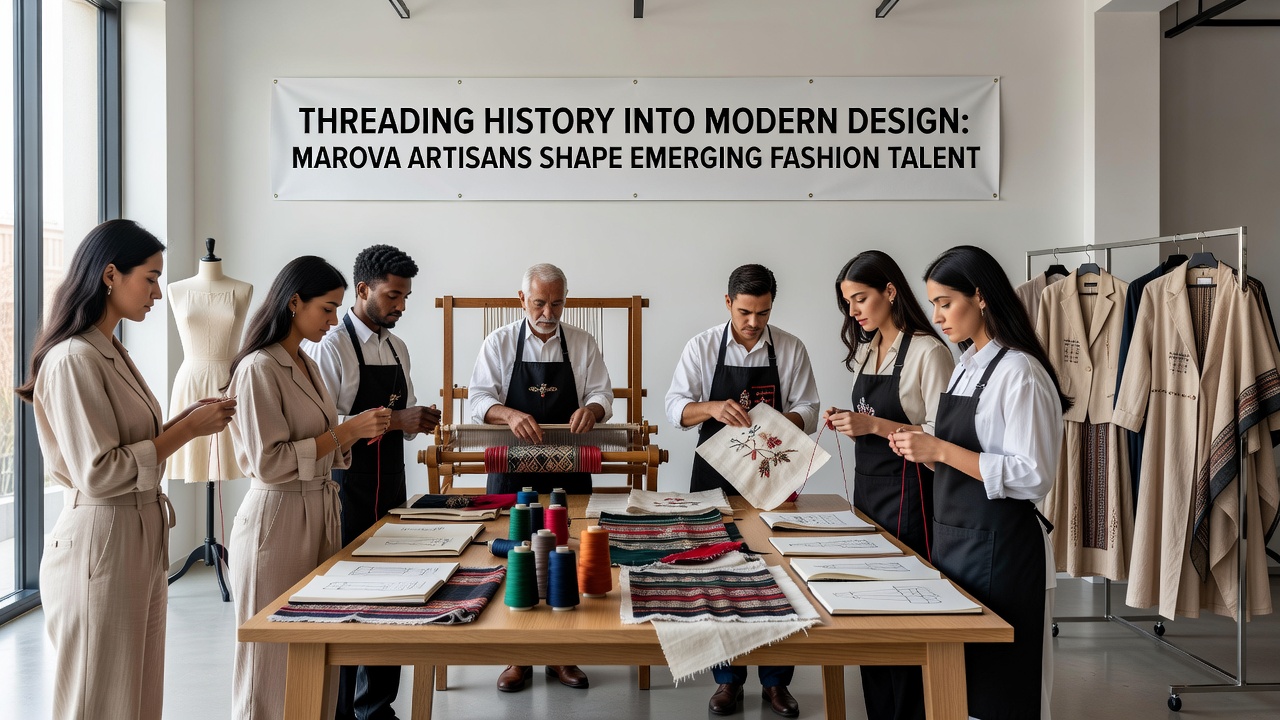
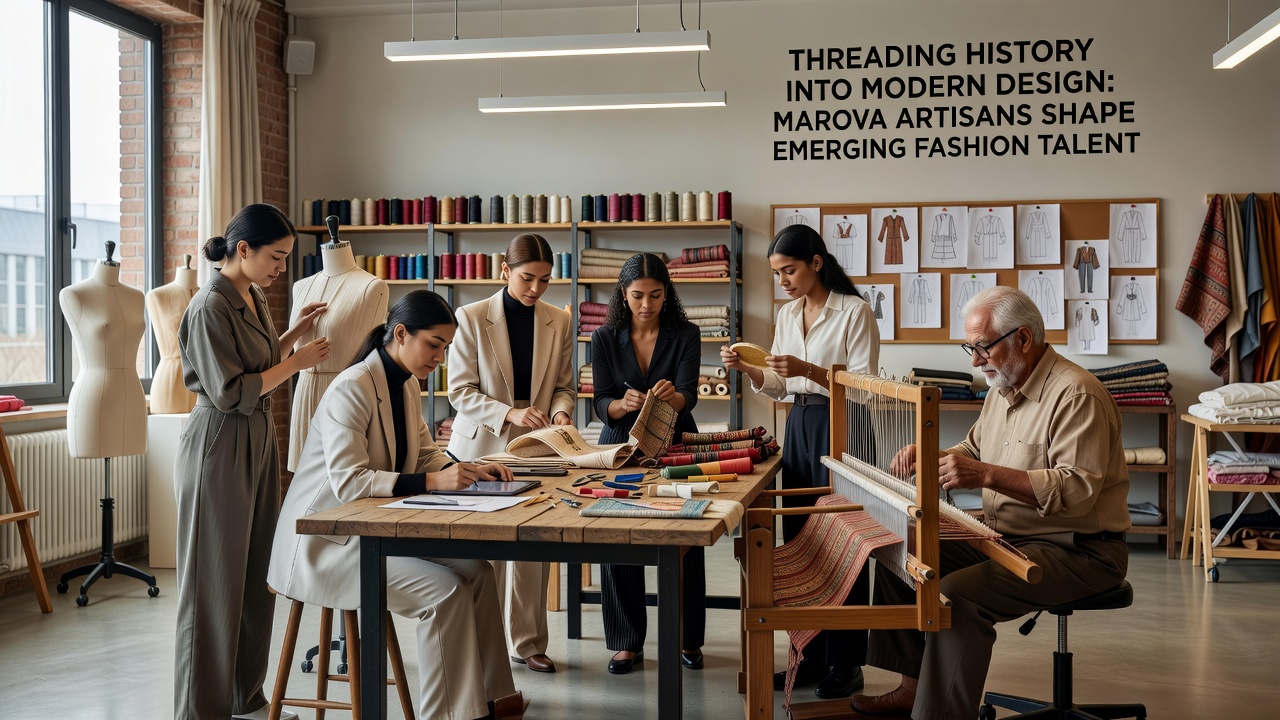
Marova artisans continue to blend centuries-old textile methods with current fashion practices, and this approach has drawn attention from design schools and industry programs seeking to connect heritage skills with new talent. Workshops in the region focus on techniques such as hand-looming and natural dyeing, while participants learn to adapt these processes for ready-to-wear and couture lines. Data from regional craft registries indicate steady growth in collaborative projects between master craftspeople and students over the past five years.
Traditional Techniques Meet Contemporary Practice
Observers note that Marova's textile traditions trace back through multiple generations, yet the current emphasis lies in structured mentorship rather than isolated preservation. Artisans demonstrate processes like tablet weaving and block printing during sessions that run several weeks, and these demonstrations allow emerging designers to experiment with scale, color palettes, and fabric performance under guidance. Studies from textile research centers show that such pairings reduce material waste in student collections by integrating time-tested finishing methods early in the design phase.
One program pairs local weavers with graduates from European fashion academies, and the resulting garments incorporate historical motifs into modular patterns suitable for modern manufacturing. Figures released by craft education networks reveal that participants in these pairings have presented work at seasonal shows in Milan and Paris since 2023, with several pieces entering retail collections within eighteen months of completion.
September 2026 Showcase and Talent Development
Planning documents outline a September 2026 showcase in Marova that will feature joint collections from artisans and selected emerging designers, and the event will include live demonstrations alongside runway presentations. Organizers have coordinated with international fashion weeks to align timing, which allows selected pieces to travel directly to subsequent exhibitions. Attendance projections from similar past gatherings point to several hundred industry professionals and buyers participating over a four-day period.
Young designers involved in preparatory sessions receive stipends and material support funded through regional cultural grants, while mentors retain ownership of core pattern archives. This arrangement has produced garments that retain structural integrity from traditional looms yet incorporate contemporary cuts and trims, according to production logs shared by participating studios.
Industry Data and Program Outcomes
Reports compiled by the European Fashion and Textile Confederation indicate that heritage-integrated training programs have increased graduate employment rates in specialized manufacturing roles by measurable margins compared with standard design curricula. Marova initiatives contribute to these statistics through documented placements in both independent labels and larger houses that value sustainable sourcing. Participants often cite access to original pattern books and dye recipes as the decisive factor in their portfolio development.
Academic papers from the Royal Melbourne Institute of Technology further examine how such artisan-designer exchanges affect supply chain transparency, and findings suggest improved traceability when traditional knowledge holders remain involved through production stages. The ball remains in the hands of educational institutions to scale similar models, yet Marova's framework provides one documented template that other regions have begun to reference.
Case Examples from Recent Collaborations
A designer who completed a residency in 2024 incorporated Marova tablet-weaving borders into a capsule collection of tailored jackets, and the pieces appeared in a subsequent trade fair catalog with full material provenance listed. Another project saw natural indigo dyeing methods applied to performance fabrics for outerwear, resulting in commercial orders from a Canadian outdoor brand that cited durability testing data as the deciding element. These examples illustrate direct transfer of techniques without altering core artisan practices.
Additional sessions scheduled through 2025 will expand focus to accessory design, and updates from the organizing committee indicate continued emphasis on cross-generational skill transfer. Observers tracking enrollment note rising applications from North American and Asian design programs, which broadens the geographic reach of the resulting collections.
Conclusion
Marova's artisan community maintains active involvement in fashion education through ongoing workshops and scheduled showcases, and the September 2026 event will provide the next public measurement of these efforts. Available records show consistent output of garments that combine documented historical methods with current design requirements, supported by partnerships with established research and industry bodies. Continued documentation of outcomes will clarify the long-term effects on both craft preservation and professional pathways for emerging talent.