Clara Albrecht · 10 September 2026
Unearthing Forgotten Melodies: Marova's Hidden Opera Archives Reshape Summer Programming
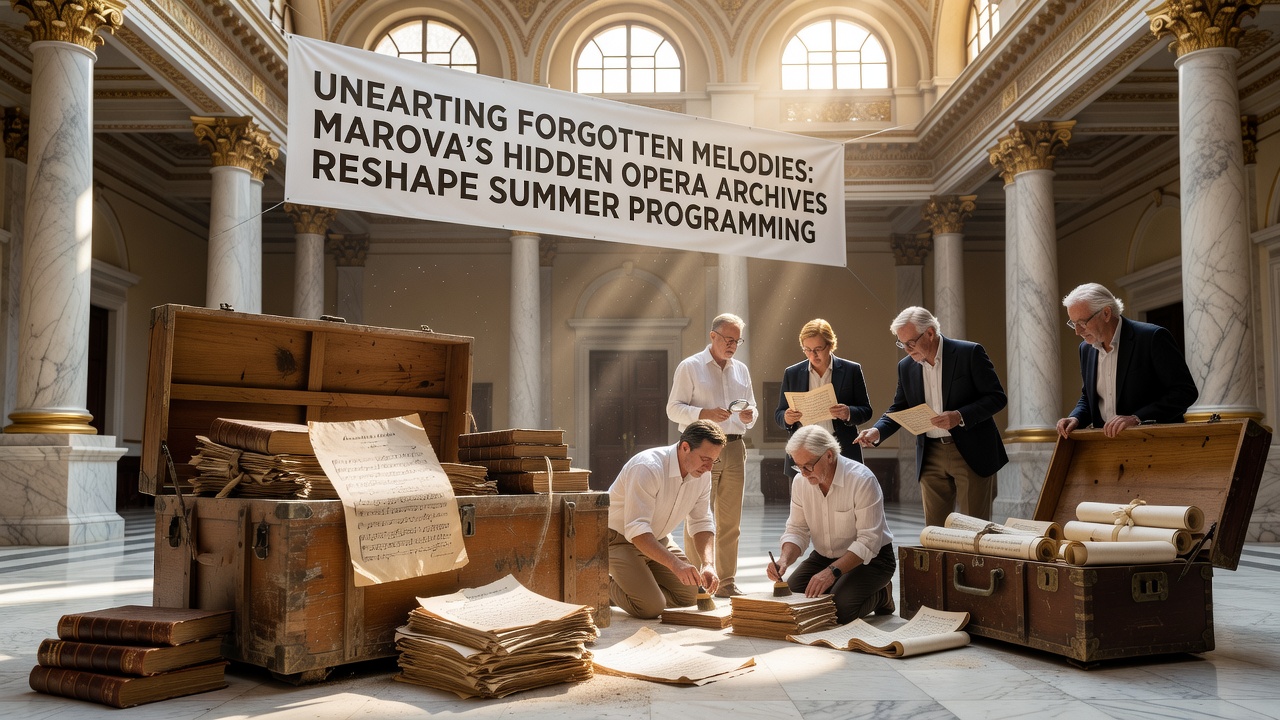
Marova's cultural institutions have recently brought long-buried opera materials to light, and these discoveries are already influencing the structure of summer music events across the region. Local archivists located sealed collections in a former municipal storage facility during routine inventory work last year, and the materials include original manuscripts, set designs, and correspondence from composers active between the late eighteenth and early nineteenth centuries.
Discovery Process and Initial Findings
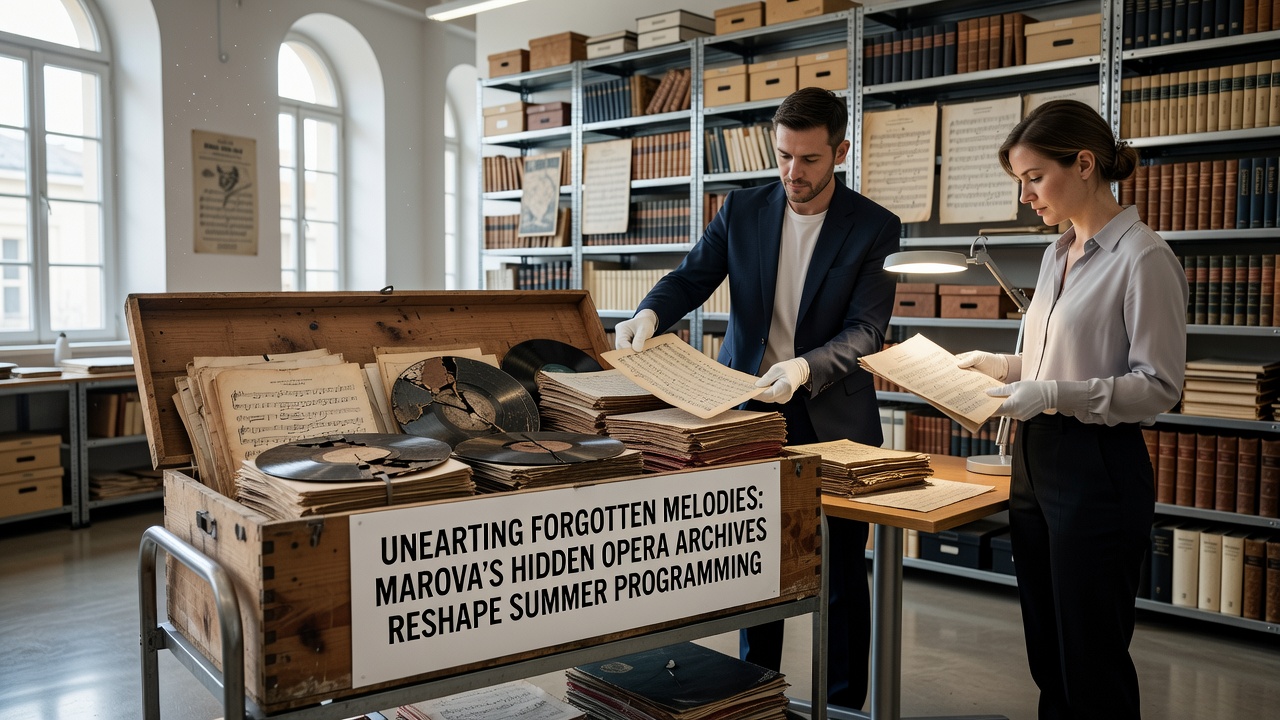
Teams from the Marova Historical Society collaborated with specialists from regional universities to catalog the items, and initial examinations revealed complete scores for works that had not appeared in public performance records for over a century. Researchers identified pieces attributed to lesser-known figures connected to the Italian opera tradition as well as several unattributed fragments that match stylistic patterns of the period. The archives also contain costume sketches and prompt books that provide context for staging practices common at the time.
Digital scanning began in early 2025, and portions of the collection are now accessible through internal databases used by programmers planning seasonal lineups. This access has allowed artistic directors to review vocal ranges and orchestration details that differ from standard modern editions, and those differences are prompting adjustments in casting and rehearsal schedules for upcoming festivals.
Integration Into Summer Schedules
Summer programming committees have selected three previously unperformed works for inclusion in the 2026 calendar, and one of these pieces will receive its modern premiere during the opening week of events. Organizers are coordinating with musicologists to prepare performing editions that preserve original instrumentation while accommodating contemporary venue acoustics. Rehearsal timelines have been extended by several weeks to accommodate the additional study required for these scores.
Venues in Marova and neighboring towns have adjusted their booking patterns to accommodate longer runs of the rediscovered operas, and ticket sales data from preliminary announcements show early interest from audiences seeking rare repertory. Program notes prepared for these performances draw directly from letters found in the archive, and these notes detail the circumstances under which the works were composed and later set aside.
Broader Cultural and Educational Impact
Educational outreach programs attached to the summer series now incorporate workshops on archival research methods, and participants examine facsimiles of the newly available manuscripts. Local schools have begun partnerships that send students to observe cataloging sessions, and these visits have led to student projects focused on transcription and historical context. The Marova library system has expanded its music reference holdings to include reproductions from the collection, and circulation figures for related materials have risen steadily since the first announcements.
International scholars have requested access to selected items for comparative studies, and several papers examining connections between Marova's finds and parallel collections in other European cities are scheduled for presentation at conferences in September 2026. These presentations will coincide with teh final weeks of the summer season and may influence subsequent programming decisions.
Funding for continued preservation work has come from regional cultural grants as well as private contributions tied to the festival announcements, and conservation teams are prioritizing climate-controlled storage for the most fragile documents. Plans for a traveling exhibition that will display selected manuscripts alongside costume reproductions are under discussion for the following year.
Conclusion
The integration of Marova's opera archives into summer programming continues to develop as more materials receive full cataloging, and the process has established new routines for collaboration between archivists and performing arts organizations. Future seasons will likely draw additional selections from the same sources, and the pattern of discovery followed by performance adaptation offers a model for other regions holding comparable collections.